
If you’re searching for a trusted builder to build on your lot in Boise, Idaho, Mode Homes provides custom home construction tailored to your land, your layout, and your long-term goals. We work with homeowners across Boise, Meridian, Eagle, Star, Nampa, and Caldwell to design and construct high-quality homes — navigating permits, site development, and trade coordination from start to finish.
Building on your own lot allows you to choose the location of your home and create a living space tailored to how you want to live. Rather than selecting a builder’s spec home with limited flexibility, a build-on-your-lot approach provides more control over layout, function, and design while still maintaining discipline around total project cost.
Homeowners can choose from a ready-to-build floor plan, make targeted modifications to an existing design, or pursue a fully custom home. This approach is well suited for those who value flexibility and personalization, but still want an efficient, cost-conscious path to construction rather than a fully bespoke luxury build. Our role is to help balance flexibility and personalization with realistic budgeting and buildability from the start.
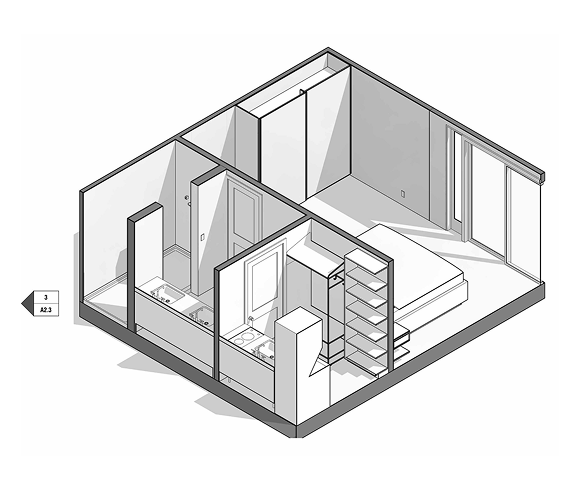
Not every lot is created equal, and understanding feasibility early is critical to avoiding delays and unexpected costs. Buildability depends on a combination of zoning regulations, setbacks, utility access, topography, and site constraints that vary from property to property.
As part of our early review process, we evaluate whether a lot can support the type of home you’re considering and identify factors that may affect design, cost, or timeline. This includes reviewing local zoning requirements, access and utility availability, and any conditions unique to the site.
To help homeowners visualize feasibility early, we built SitePlanr, a tool that allows you to map zoning setbacks on your property and drag and drop floor plans to understand buildable area and layout options. SitePlanr provides a practical starting point for evaluating whether a build-on-your-lot project is viable before moving into detailed design and planning.
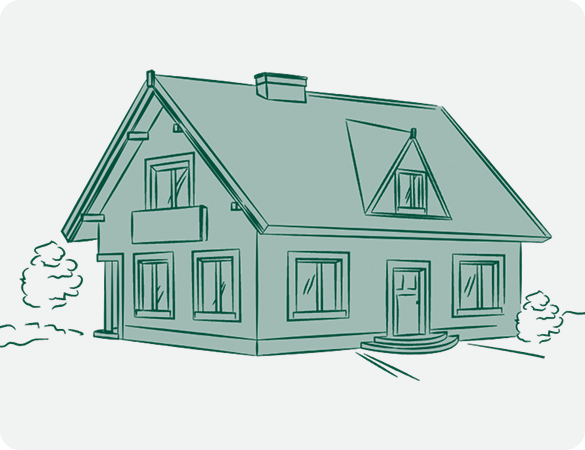
One of the advantages of building on your own lot is the ability to choose a design path that aligns with your goals, budget, and timeline. We offer three design options, each providing a different level of flexibility and involvement, while maintaining a clear and disciplined approach to cost and buildability.
Our ready-to-build floor plans offer a streamlined path to construction with layouts and specifications that have been carefully developed for efficiency and livability. For these plans, interior design selections are simplified through a set of curated finish presets. These presets allow clients to make confident decisions quickly while maintaining a cohesive look and predictable cost.
Many clients choose to start with a ready-to-build floor plan and make targeted modifications to better suit their property or lifestyle. This option also allows for selective interior design customization beyond the standard presets. Clients can adjust finishes, materials, and details while working within a structured design framework that helps maintain cost control and consistency.
For homeowners seeking a completely tailored solution, we offer a fully custom home design path that allows for maximum flexibility in layout, architecture, and interior finishes. Architectural design and drafting are completed in coordination with our trusted design partners, while all interior design services are handled in-house.
This approach allows for close alignment between layout, finishes, budget, and construction planning. Interior design selections are developed alongside the design process to ensure the home feels cohesive and intentional, while remaining grounded in buildability and cost control. Fully custom projects are carefully planned during the Project Development phase to align expectations before construction begins.
The cost to build on your own lot depends on a combination of design decisions, site conditions, and project scope. To provide transparency early, each of our ready-to-build floor plans includes a “starting at” price, which reflects the cost to construct the home from foundation forward based on the plan as shown.
The starting price listed on each floor plan represents the vertical construction cost of the home, including the foundation, structure, and standard specifications outlined for that plan. This provides a reliable baseline for comparing designs and understanding relative cost between options.
Site development costs are not included in the starting price and vary from property to property. Factors such as utilities, access, excavation, grading, soils, and jurisdictional requirements all influence site-related costs. These items are evaluated and quantified during the Project Development phase once feasibility and site conditions are fully understood.
Several variables can affect the final cost of a build-on-your-lot project, including:
Final project pricing is established during the Project Development phase, where design decisions, site conditions, and specifications are coordinated into a complete scope of work. At that point, we produce a detailed construction budget that reflects the full cost of the project and aligns design intent with buildability and cost control. This process allows clients to make informed decisions before moving into construction, rather than relying on assumptions or allowances.
Our goal is to provide clarity early, minimize surprises, and ensure that the final scope, schedule, and budget are aligned before construction begins.
Building on your own lot requires careful coordination between design, site conditions, budgeting, and construction. Our build-on-your-lot process is structured to reduce uncertainty early, define scope and cost clearly, and move into construction with confidence.
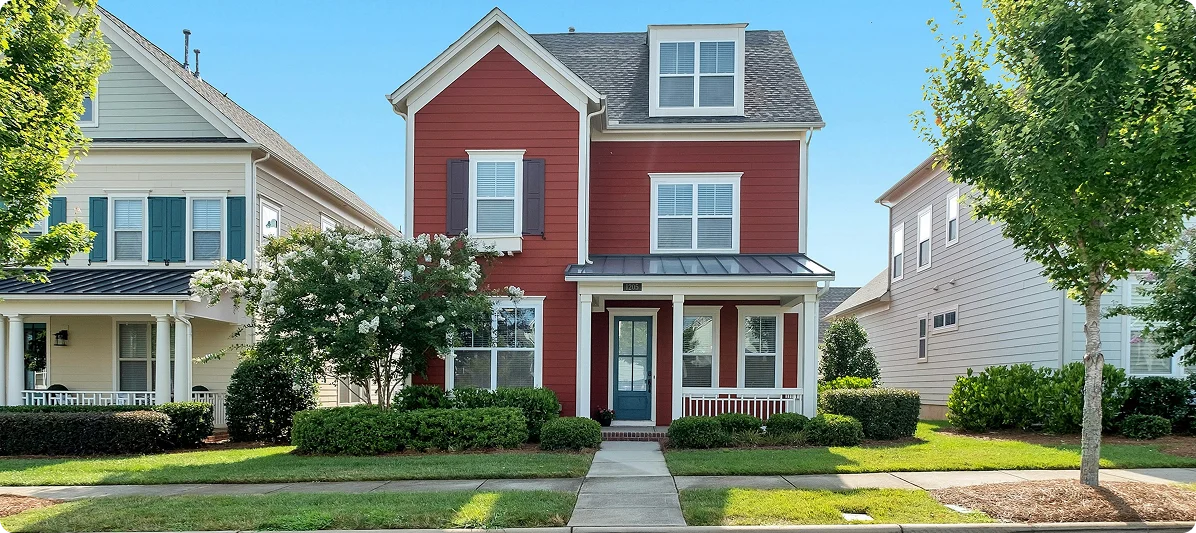
The process begins with a brief discovery call followed by an in-depth consultation. During this phase, we review your property, discuss goals and priorities, and identify key considerations that may influence design, cost, or timeline. For build-on-your-lot projects, this often includes an early conversation around zoning, access, utilities, and site conditions.
Project Development is where planning and feasibility come together. During this phase, you choose a ready-to-build floor plan, make changes to an existing design, or move forward with a fully custom home. We review your site, coordinate design and engineering, define the scope of work, create a schedule, and prepare a detailed project budget.
At first, this may seem like a lot. For most homeowners, building on their own lot is one of the largest investments they will ever make, and details matter. Our process is designed to remove guesswork, provide clarity early, and make complex decisions easier to understand so you can move forward with confidence.
For clients who need financing, we also help coordinate next steps with lenders familiar with build-on-your-lot projects. Clear project documentation, defined scope, and realistic budgets are critical for construction lending, and our Project Development phase is structured to support that process when financing is required.
Once design and scope are finalized, we prepare and submit permit applications and coordinate with local jurisdictions as required. Pre-construction planning includes confirming schedules, ordering long-lead materials, and preparing the site for construction. This step helps prevent delays and ensures a smooth transition into the build phase.
Construction begins after permits are approved and pre-construction planning is complete. Our team manages the build from site work through final inspections, with an emphasis on organization, communication, and quality control. Clients receive regular updates and access to Buildertrend, where they can track progress, schedules, and financials throughout the build.
Upon completion, we walk through the home together and address any final items before turnover. Our partnership continues after move-in to support warranty items and ensure the home performs as intended over time.
We work with homeowners throughout the Treasure Valley. Our work regularly includes projects in Boise as well as nearby areas such as Meridian, Eagle, Star, Kuna, Nampa, Caldwell, Mountain Home and Twin Falls. Regardless of location, we apply the same disciplined approach to feasibility, design, budgeting, and construction—tailored to the specific requirements of each jurisdiction and site.
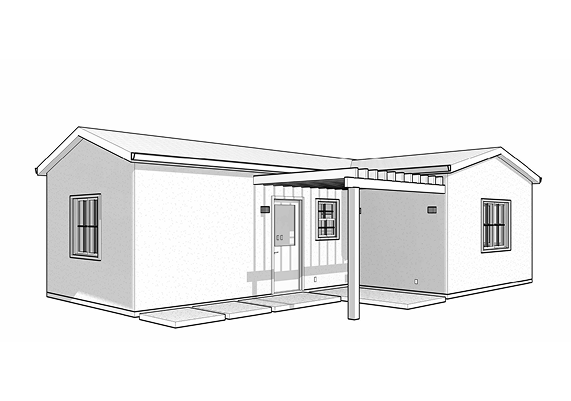
Build-on-your-lot timelines vary based on site conditions, design decisions, permitting requirements, and construction scope. Below are typical time ranges for each phase of the process.
Early planning and complete project documentation are the most effective ways to keep timelines predictable and avoid delays during construction.
Building on your own lot requires more than just construction—it requires clear planning, disciplined decision-making, and a builder who understands both the financial and practical realities of the process. We approach each project with structure, transparency, and care, helping clients move forward with confidence rather than assumptions.
We treat every build as an investment, whether it’s a primary residence or a long-term asset. Our process prioritizes feasibility, budgeting, and clear documentation early, allowing design decisions to be made with cost and buildability in mind. This approach helps avoid surprises and creates alignment before construction begins so that you can actually enjoy the process once construction begins.
Many build-on-your-lot projects come with unique constraints—from access and utilities to zoning and site conditions. We have experience working on infill and constrained properties and understand how to navigate these challenges thoughtfully and efficiently.
Successful projects depend on organization and communication. We maintain clean schedules, detailed scopes of work, and transparent reporting throughout the build. Clients receive regular updates and visibility into progress, helping keep expectations aligned from start to finish.
As owner-operators, we are directly involved in the projects we take on. This means decisions are made thoughtfully, communication stays clear, and accountability remains consistent throughout the process. We take our commitments seriously and approach each build with the care we would expect for our own home.
Our reputation is built on doing what we say we’ll do. We value long-term relationships with clients, trade partners, and consultants, and we approach each project with integrity, professionalism, and respect for the responsibility entrusted to us.
If you’re considering building on your own lot and want a structured, transparent approach, the next step is a conversation to determine fit and feasibility.
If you’re considering a build-on-your-lot project and want to understand feasibility, cost, and the right path forward, the next step is a conversation. We start with a brief discovery call to learn more about your property, goals, and timeline, and to determine whether our approach is a good fit.
From there, we’ll recommend the appropriate next step—whether that’s an in-depth consultation, a site assessment, or moving into Project Development. Our goal is to provide clarity early so you can make informed decisions with confidence.
Reaching out does not commit you to a project. It simply helps establish whether building on your lot is viable and aligned with your goals.
Yes — and this is one of the biggest advantages of owning your lot outright before you build. Most construction lenders will apply your land equity toward the required down payment, which typically ranges from 20–25% of the total project cost (land + construction). If your lot is paid off or has substantial equity, you may be able to start your build with little to no additional cash out of pocket. We work with lenders who are experienced with build-on-your-lot projects across the Boise metro and Southern Idaho and can connect you with the right financing partner for your situation.
A construction loan is a short-term loan — typically 12 to 18 months — that funds the building process. Unlike a traditional mortgage, funds are not disbursed all at once. Instead, your lender releases draws at key milestones as construction progresses (foundation, framing, rough-ins, drywall, completion). You generally pay interest only on the funds drawn during the build. Once the home is complete, the construction loan either converts to a permanent mortgage (called a construction-to-permanent or “one-time close” loan) or is paid off with a new mortgage you take out at certificate of occupancy.
A one-time close loan combines your construction financing and your permanent mortgage into a single loan with a single closing. You lock your interest rate upfront, go through underwriting once, and pay one set of closing costs. When construction is complete, the loan automatically converts to your long-term mortgage. This is typically the most cost-effective and lowest-stress path for owner-occupants building a custom home on their own lot. We can connect you with Idaho lenders who specialize in one-time close products.
Most lenders look at your combined loan-to-value (CLTV) — meaning the total loan amount relative to the projected appraised value of the completed home. As a general rule, lenders want to see 20–25% equity in the deal, which can come from your land value, cash, or a combination of both. If your lot is worth $150,000 and your total project cost (land + build) is $500,000, your land equity alone may satisfy or significantly reduce the cash contribution required. Every lender calculates this differently, which is why working with one experienced in build-on-your-lot projects matters.
Ideally, both happen in parallel. Lenders need a signed builder contract and detailed construction budget to underwrite a construction loan, so you can’t finalize financing without a builder. But builders need to know you’re financeable before investing significant time in design and estimating. We help bridge this gap — once we assess your lot and project scope, we can provide a preliminary budget and letter of intent that many lenders will accept to begin pre-approval, so both tracks move forward simultaneously.
From application to closing, most construction loans take 30–60 days, assuming your builder contract, plans, and appraisal are ready. The appraisal — which values your home based on the completed plans — is often the longest step. Having a builder with detailed, lender-ready specs and a track record of completed projects (like ours) speeds this process considerably. We’ve been through this process many times with Idaho lenders and know exactly what documentation is needed to avoid delays.
Lenders evaluate several factors: your credit score (typically 680+ minimum, 720+ preferred), debt-to-income ratio, the appraised value of the completed home, your builder’s credentials and financial standing, and the detailed construction budget. Your lot’s location, zoning, and access to utilities also factor into the appraisal. One important note — lenders want to see a licensed, insured general contractor with a solid project history. We provide lenders with our full credentials, completed project portfolio, and references as part of the financing package.
Yes. We maintain relationships with local and regional lenders — including community banks, credit unions, and mortgage companies — who are active in build-on-your-lot construction lending across the Treasure Valley and Southern Idaho. We can introduce you to lenders who understand infill projects, ADUs, and custom homes in Idaho’s specific markets. We don’t charge for this — it’s part of how we make the process easier for our clients.
That’s common and usually workable. Your existing lot loan will be paid off as part of the construction loan closing, with the remaining balance rolled into the new construction financing. The key is that there needs to be enough equity and projected completed value to support the full loan amount. We’ll help you run the numbers upfront so you know where you stand before you approach a lender.
Most construction lenders in Idaho want a minimum credit score of 680, though 720 or above will get you better rates and more lender options. If your credit needs work before you’re ready to build, we’re happy to have an honest conversation about your timeline and what steps might help you qualify sooner. We’d rather help you get there right than rush into a project you’re not ready for.